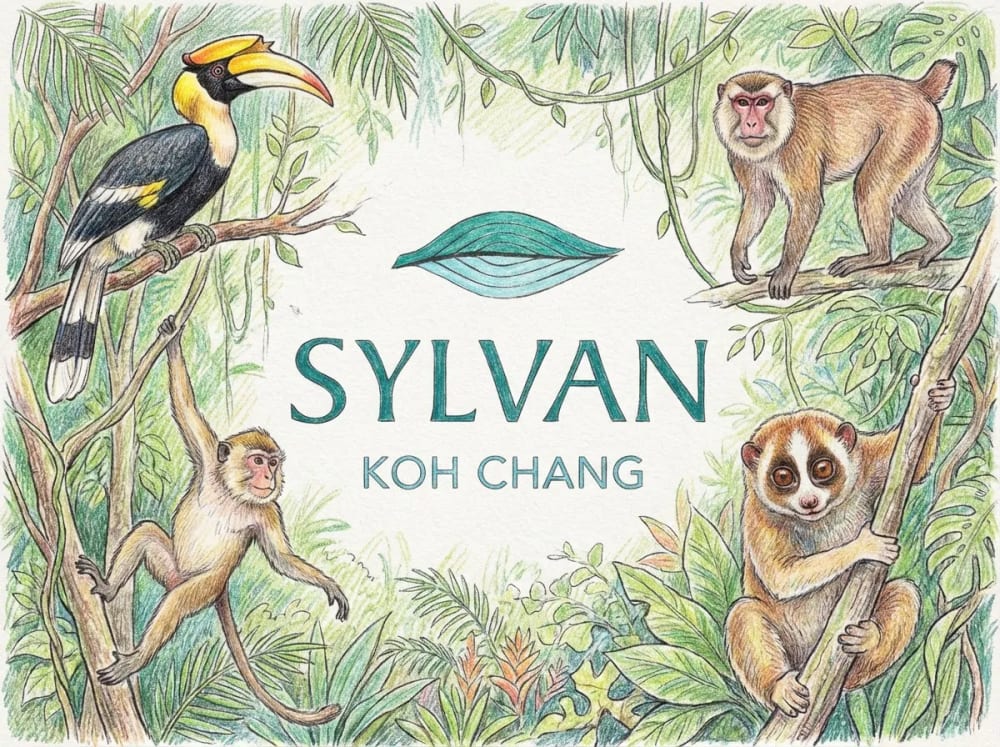
Meet the Locals of SYLVAN Koh Chang: A Wildlife Guide for Guests
Koh Chang is renowned not only for its azure seas and pristine beaches, but also as one of Thailand's richest tropical rainforest ecosystems. Nestled within Mu Ko Chang National Park, SYLVAN Koh Chang offers every guest a rare opportunity to encounter wildlife in its true natural habitat. They were here long before any of us — we are simply guests in their home.
🐒 The Regulars — Spotted Almost Every Day
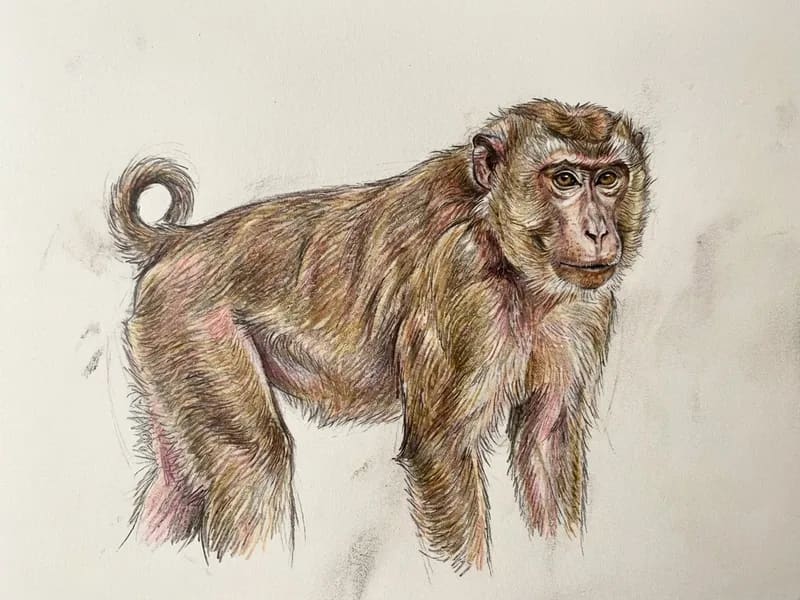
Pig-tailed Macaque
Scientific name: Macaca leonina
IUCN Status: Vulnerable since 2008
Easily recognized by their short, pig-like curled tail and buff-brown fur. Adults weigh approximately 5–14 kg, with males nearly twice the size of females.
Fascinating science facts:
- Their primary diet is fruit, supplemented by insects, seeds, leaves, mushrooms, birds, termite larvae, crabs, and more.
- They live in a matrilineal social system — lineage passes through the mother. Females remain with their troop for life, while males disperse to new groups upon reaching sexual maturity.
- Their teeth feature a specialized structure for cracking hard seed shells, and they possess cheek pouches for temporarily storing food while foraging.
- They are one of the most widely distributed primate species across Southeast Asia, yet their population continues to decline steadily due to habitat loss.
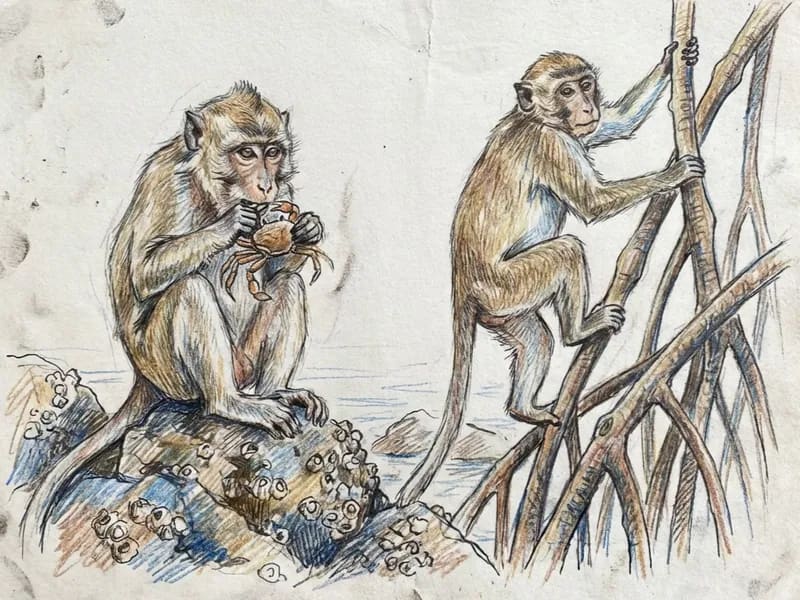
Long-tailed / Crab-eating Macaque
Scientific name: Macaca fascicularis
IUCN Status: Vulnerable since 2022
Distinguished by a tail longer than the body, often reaching 40–65 cm while the body measures approximately 38–55 cm. Their fur ranges from greyish-brown to golden-brown.
Fascinating science facts:
- They have been documented using tools to obtain food in Thailand — specifically using stones to crack open oyster shells. This is a behavior once thought exclusive to higher primates.
- The name "Crab-eating" comes from their habit of swimming through mangrove forests to hunt crabs and small aquatic creatures, a behavior observed on Koh Chang's eastern coast.
- They are highly adaptable omnivores, feeding on fruit, insects, frogs, birds, eggs, and even small mammals.
⚠️ Golden Rules for Monkeys — Please Follow Strictly
- Never feed them under any circumstances. Feeding permanently alters monkey behavior, making them dependent on humans and eventually aggressive.
- Keep your balcony doors locked at all times. Monkeys can push doors open and will not hesitate to enter your room.
- Do not leave belongings on the balcony — especially anything shiny. Gold jewelry, watches, sunglasses, and other valuables can vanish in the blink of an eye.
- Photographs are welcome from a safe distance. If a monkey approaches you, back away calmly. Do not make direct eye contact or bare your teeth in a smile (in monkey language, that is a threat!).
- If you need assistance, please contact resort staff immediately.
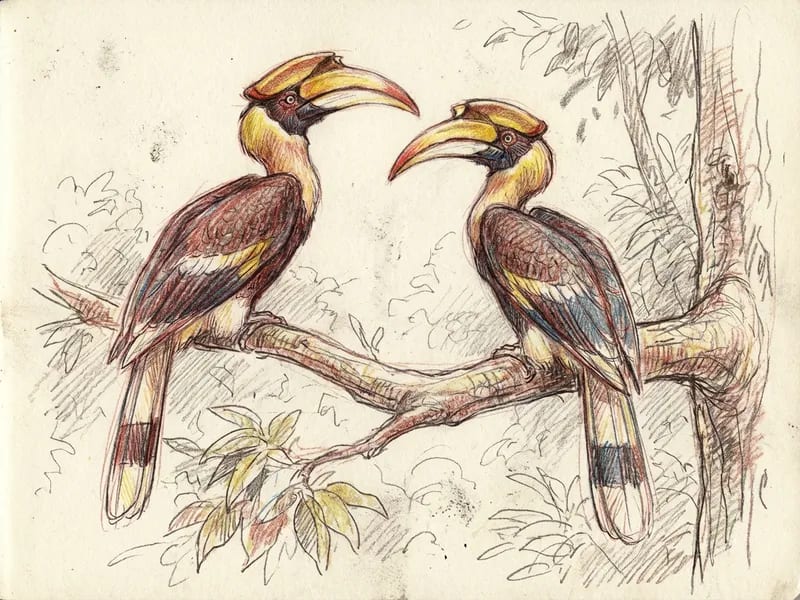
Great Hornbill
Scientific name: Buceros bicornis
Also known as: Great Indian Hornbill, Concave-casqued Hornbill
IUCN Status: Vulnerable since 2018
A magnificent large bird measuring up to 95–130 cm in length, weighing up to 4 kg, with an impressive wingspan of 150–180 cm. Its most striking feature is the enormous yellow bill topped with a distinctive casque — unlike any other bird in the world.
Fascinating science facts:
- The casque is made of keratin (the same protein found in fingernails and hair) and is not solid but rather a hollow air chamber. Scientists believe it amplifies their calls and may play a role in mate selection.
- They can live up to 50 years in captivity, making them among the longest-lived bird species.
- Their nesting behavior is truly extraordinary: the female seals herself inside a tree cavity for 4–5 months while incubating eggs and raising chicks. The male delivers food through a narrow slit plastered shut with mud and droppings.
- Ecological role: they are nature's finest "forest planters" — swallowing fruits whole and dispersing seeds across vast stretches of forest. Ecologists call them a "keystone species" that the ecosystem simply cannot do without.
- The area surrounding SYLVAN Koh Chang is one of the few places on the island where Great Hornbills can be regularly observed at close range — a genuinely rare privilege.
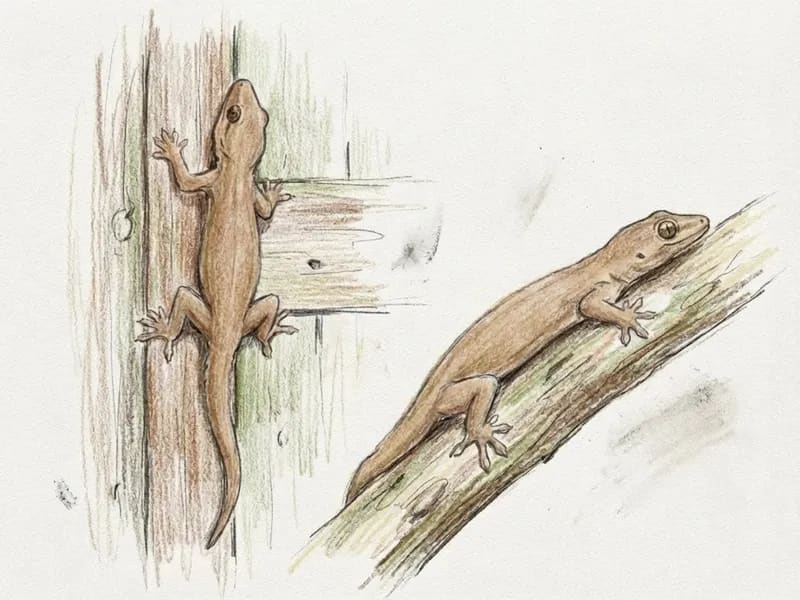
Common House Gecko
Scientific name: Hemidactylus frenatus
Size: 7.5–15 cm | Lifespan: approximately 5 years
A small, pinkish-grey reptile that is nocturnal by nature, often seen clinging to walls near light sources.
Fascinating science facts:
- Their toe system is a marvel of engineering: the underside of each toe features tiny structures called lamellae, composed of millions of microscopic hairs (setae) that create adhesion through van der Waals force — allowing them to walk on smooth glass or upside down on ceilings without any adhesive.
- Their distinctive "jik-jik" call serves as territorial communication and to attract mates.
- They consume dozens of mosquitoes per day, making them highly effective biological pest controllers. They are completely non-venomous and pose absolutely no danger to humans.
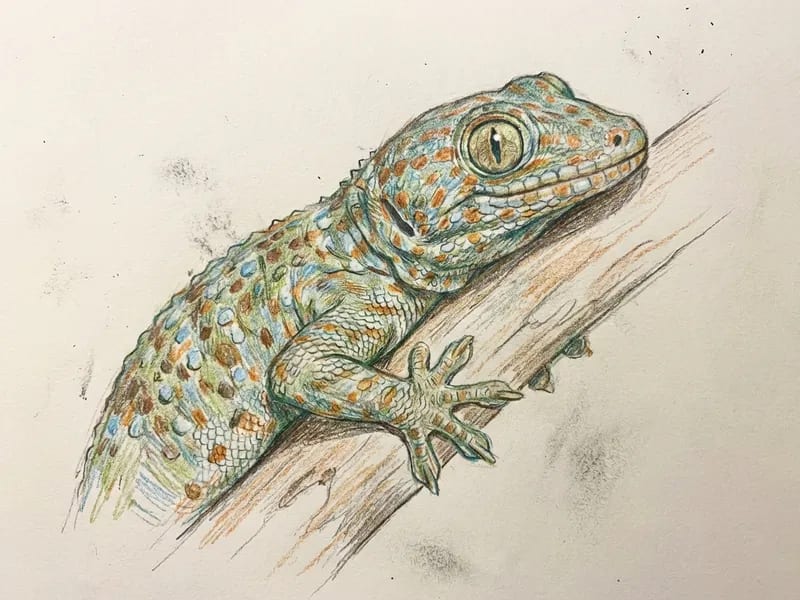
Tokay Gecko
Scientific name: Gekko gecko
Size: 25–35 cm | Weight: 150–400 g
A large gecko with striking blue-grey skin adorned with vivid orange spots scattered across its body — a beautifully distinctive appearance.
Fascinating science facts:
- Their loud "tok...kae" call resonates through the night, produced by vocalizing through air sacs.
- They possess a bite that is remarkably powerful relative to their body size.
- Their eyes feature vertical slit pupils that can dilate dramatically wide in darkness.
- They feed on insects, smaller geckos, small snakes, and other small vertebrates.
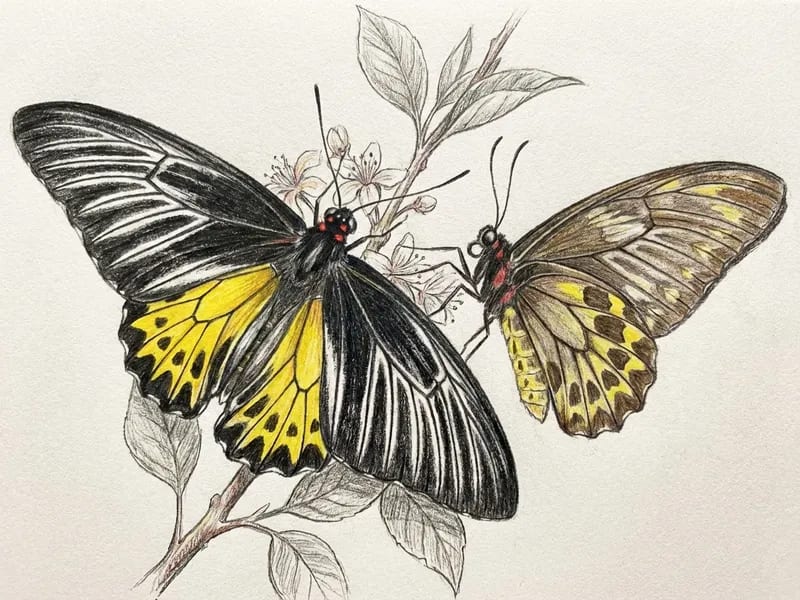
Butterflies of Many Species
Approximately 200+ species on Koh Chang, including the Golden Birdwing (Troides aeacus), which is a protected wildlife species.
Fascinating science facts:
- Butterflies taste with their feet and proboscis, possessing chemoreceptors on their legs that are up to 200 times more sensitive than the human tongue.
- Their compound eyes can perceive the UV spectrum.
- The Golden Birdwing — a large butterfly with shimmering golden wings — is strictly prohibited from capture or possession under Thai wildlife protection law.
- Best time for butterfly watching: mornings between 8:00–11:00 AM around the gardens and forest edges.
🦅 The Shy Neighbors — You Will Need a Bit of Luck
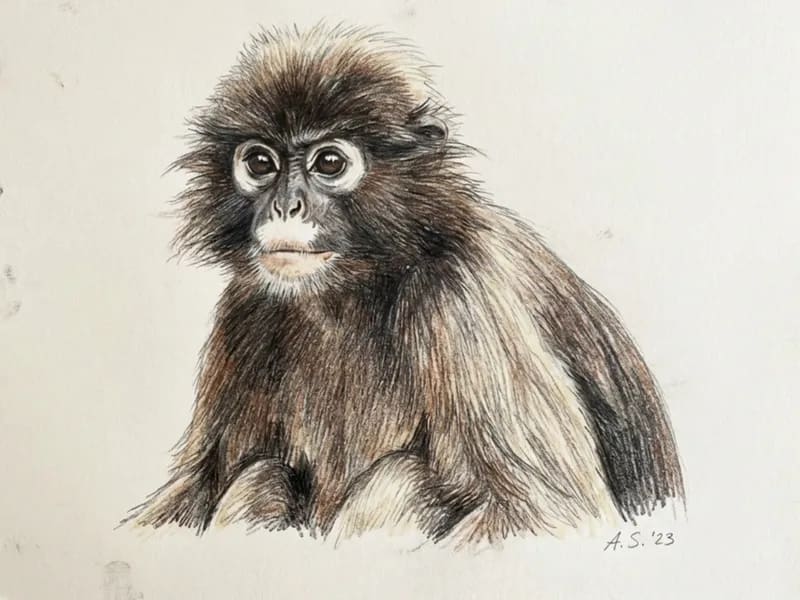
Dusky Langur
Scientific name: Trachypithecus obscurus
IUCN Status: Near Threatened
Fascinating science facts:
- A primate that feeds primarily on leaves (folivore), with a multi-chambered digestive system similar to that of cattle.
- Newborn langurs sport bright orange fur — scientists believe this serves as a signal for the troop to help with caregiving (alloparenting).
- They inhabit the high canopy, remaining remarkably quiet and cautious.
- Their striking white-rimmed eyes stand out dramatically against their dark black faces.
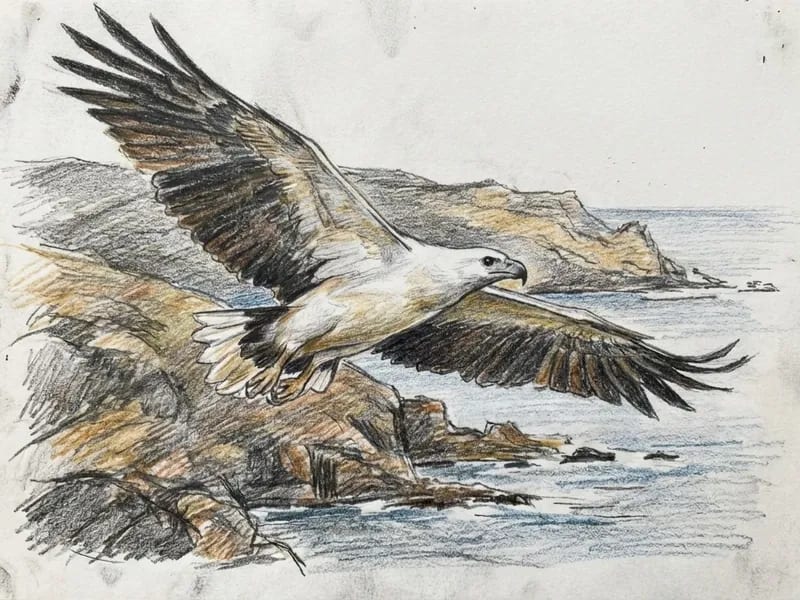
White-bellied Sea Eagle
Scientific name: Icthyophaga leucogaster
IUCN Status: Least Concern
Size: Wingspan 100–140 cm | Weight: 1.8–3.7 kg
- The apex predator of Koh Chang's coastal ecosystem.
- Their eyes have a resolution 8 times greater than the human eye.
- They hunt fish by plunge-diving from great heights.
- They mate for life (monogamous).
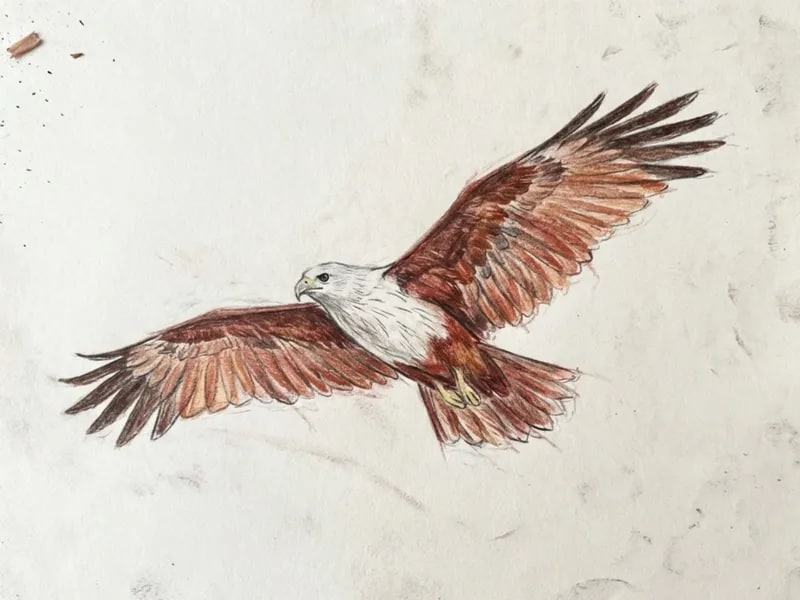
Brahminy Kite
Scientific name: Haliastur indus
IUCN Status: Least Concern
Size: Wingspan 180–220 cm | Weight: 0.4–0.7 kg
- Considered a bird of virtue in Hindu mythology, representing Garuda.
- A scavenger that helps keep the coastline clean.
- Often seen soaring in pairs above the shoreline during the afternoon.
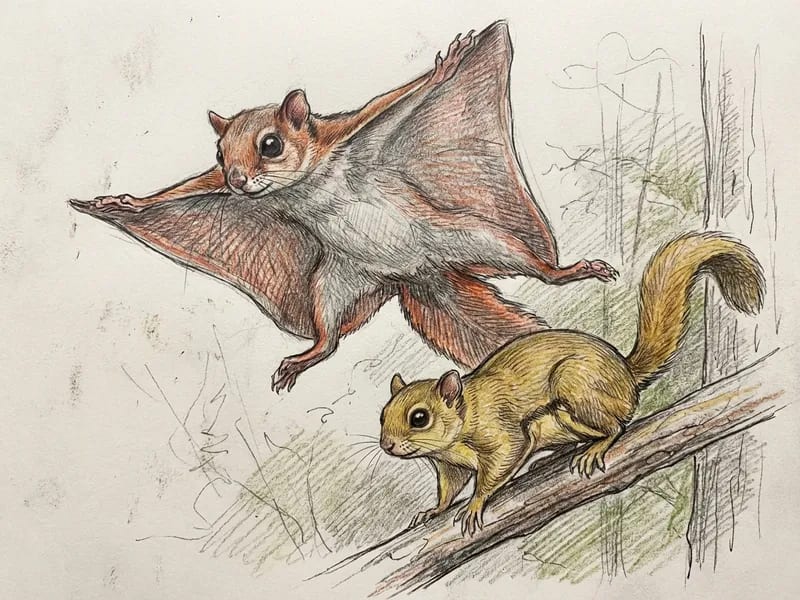
Flying Squirrel
Genus: Petaurista spp. and Hylopetes spp.
- Glides using a patagium for distances of up to 75 m.
- Macrophthalmic eyes gather maximum light in darkness.
- Their long, bushy tail functions as a rudder for steering mid-flight.
🌙 The Night Dwellers — You Will Need Sharp Eyes and Extra Luck
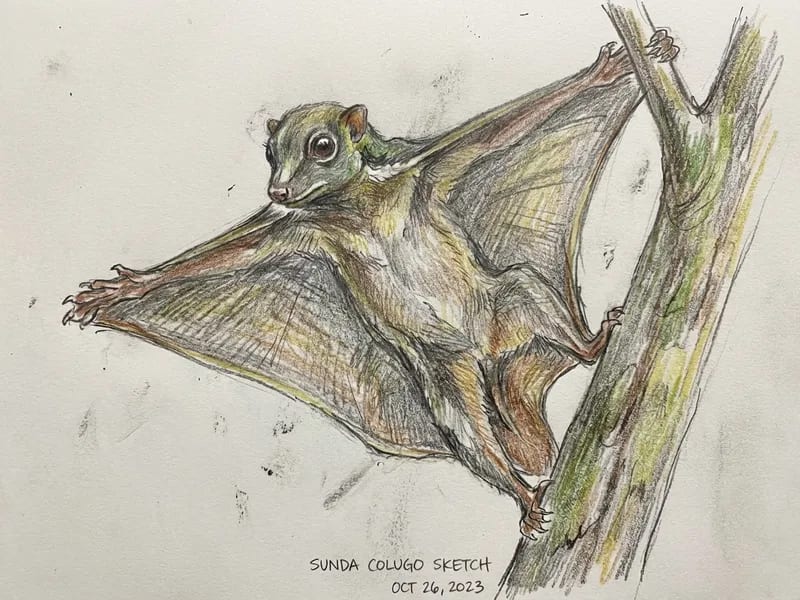
Sunda Colugo / Flying Lemur
Scientific name: Galeopterus variegatus
IUCN Status: Least Concern
- Neither a lemur nor a flier! It belongs to the order Dermoptera.
- Possesses the largest patagium of any mammal, capable of gliding 130–150 m.
- Its "comb teeth" are used for grooming fur and scraping tree sap.
- Its mottled grey-brown camouflage makes it nearly invisible against tree bark.
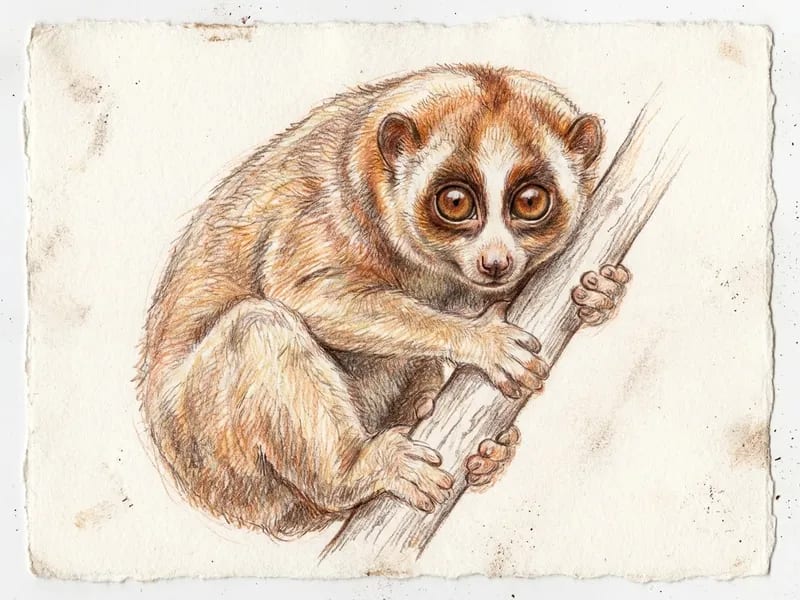
Slow Loris
Scientific name: Nycticebus coucang
IUCN Status: Vulnerable | Protected under Thai law
- The world's only venomous primate — capable of causing anaphylactic shock.
- Do not touch. Do not use flash photography.
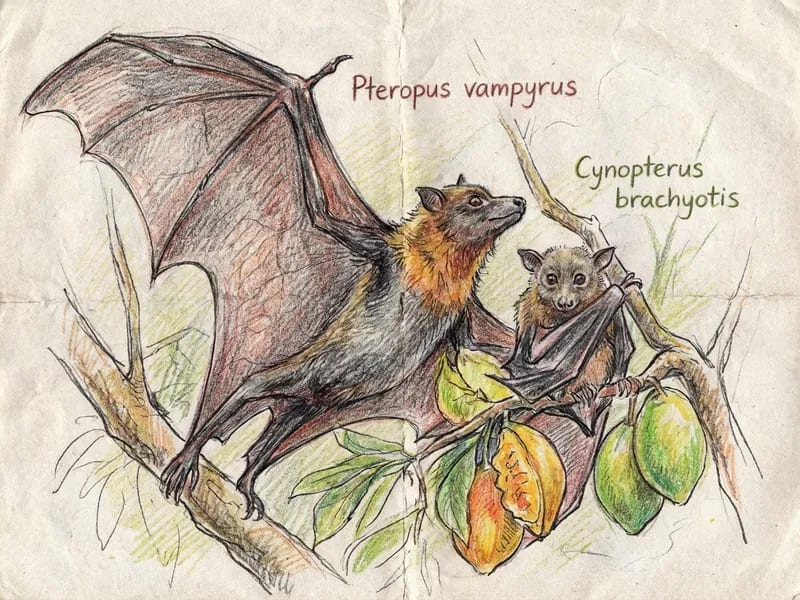
Bats
Multiple species including Pteropus vampyrus, Cynopterus brachyotis
- Microchiroptera navigate using echolocation (20,000–200,000 Hz).
- Fruit bats rely on sight and smell rather than echolocation.
- They can consume up to 1,000 mosquitoes per hour.
- Best viewing time: 15–30 minutes after sunset.
🦎 Bonus Guide: Other Wildlife Found on Koh Chang
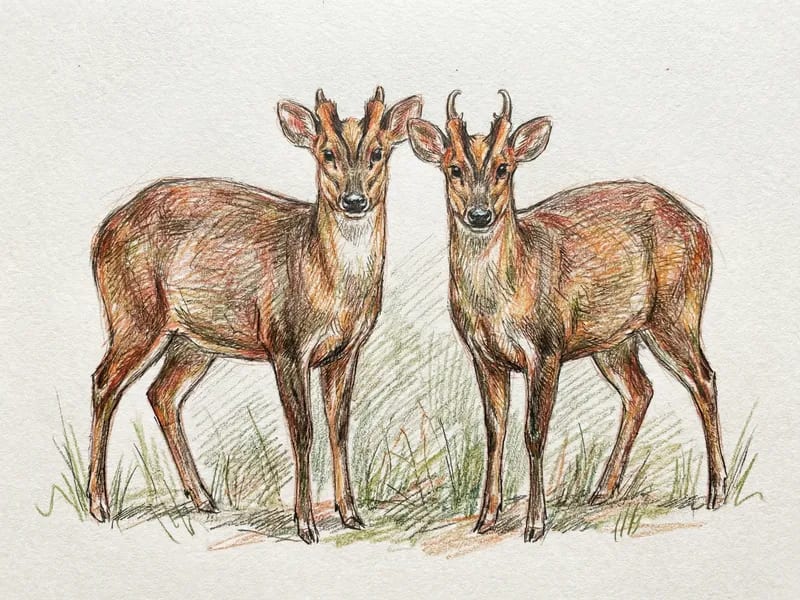
Barking Deer (Indian Muntjac)
Scientific Name: Muntiacus muntjak
Other Names: Rib-faced Deer, Kakar
IUCN Status: Least Concern
Size: Shoulder height 50–65 cm | Weight 15–35 kg
The barking deer is one of the world's most ancient deer species, with an evolutionary history spanning over 15–35 million years. It has uniform reddish-brown fur, and males have very short antlers measuring only 10–15 cm.
Interesting Scientific Facts:
- Their namesake call: Barking deer produce loud dog-like barking sounds (bark) that can continue for several minutes, especially when startled or encountering predators. This sound serves as an alarm call for other forest animals as well. If you hear strange barking from the forest at dusk, it might be a barking deer.
- Best time for sightings: Between 05:30–07:00 and 17:30–19:00 in forest edge areas adjacent to clearings. Barking deer typically forage during twilight hours, as their eyes are adapted for excellent low-light vision.
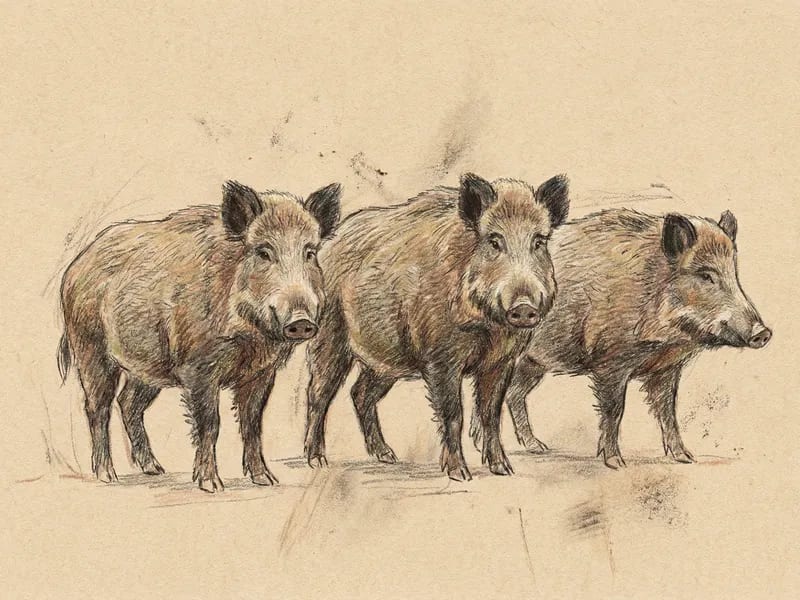
Wild Boar
Scientific Name: Sus scrofa
IUCN Status: Least Concern
Size: Length 90–200 cm | Weight 50–200 kg (adult males may be heavier)
Wild boar are the ancestors of all domestic pig breeds worldwide. They have short, coarse fur ranging from dark brown to black, a proportionally large head, elongated snout, and males have curved tusks used for both digging and fighting.
Interesting Scientific Facts:
- A nose more advanced than GPS: A wild boar's snout has 2,000 times more scent receptors than humans, capable of detecting roots, fungi, and underground food at depths of up to 30 cm. Scientists are studying their nasal structure to develop scent detection sensors.
- Island-hopping swimmers: Wild boar are excellent swimmers. Evidence suggests that wild boar populations on various islands in the Gulf of Thailand originated from individuals that swam across from the mainland during ancient times when sea levels were lower.
- Best time for sightings: Wild boar on Koh Chang typically forage deep in the forest, but fresh digging marks or tracks may be found near forest edges and water sources in the morning. Actually spotting one requires good luck and extreme quietness.
- Wild boar generally avoid humans, but can be dangerous if they feel threatened, especially mothers with young or males during breeding season.
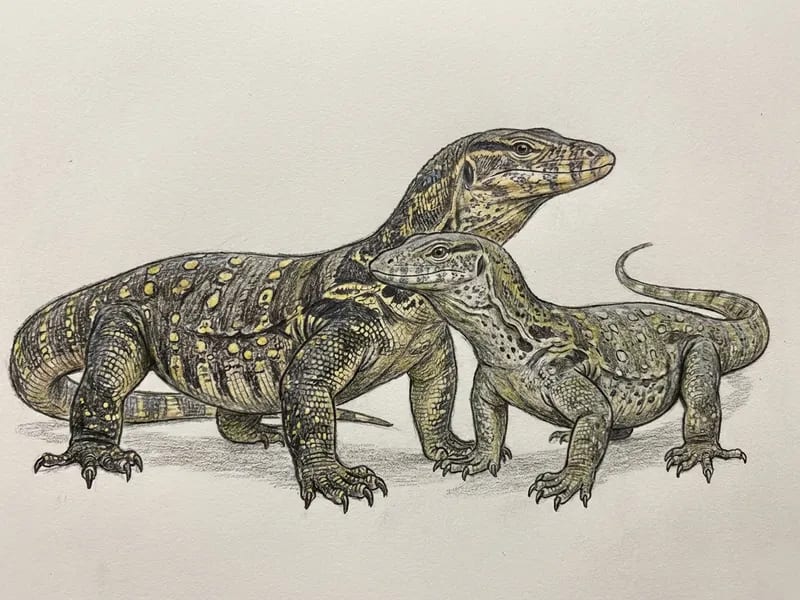
Asian Water Monitor and Bengal Monitor
Scientific name: Varanus salvator and Varanus bengalensis
Size: Up to 2–3 m in length
- Their forked tongue is a scent-detecting organ that feeds information to the Jacobson's organ.
- They have been shown to count up to six in laboratory experiments.
- Important scavengers in the ecosystem.
- Please maintain a distance of 3–4 m.
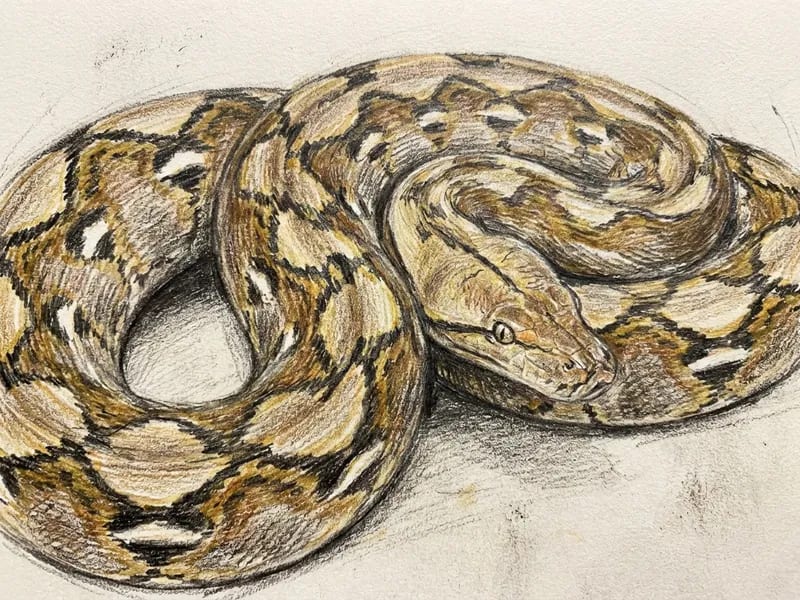
Reticulated Python
Scientific name: Malayopython reticulatus
Record: The longest snake in the world, reaching up to 6.95 m
- Hunts by constriction — non-venomous.
- Equipped with pit organs that detect infrared radiation.
- If encountered, maintain a safe distance and notify resort staff.
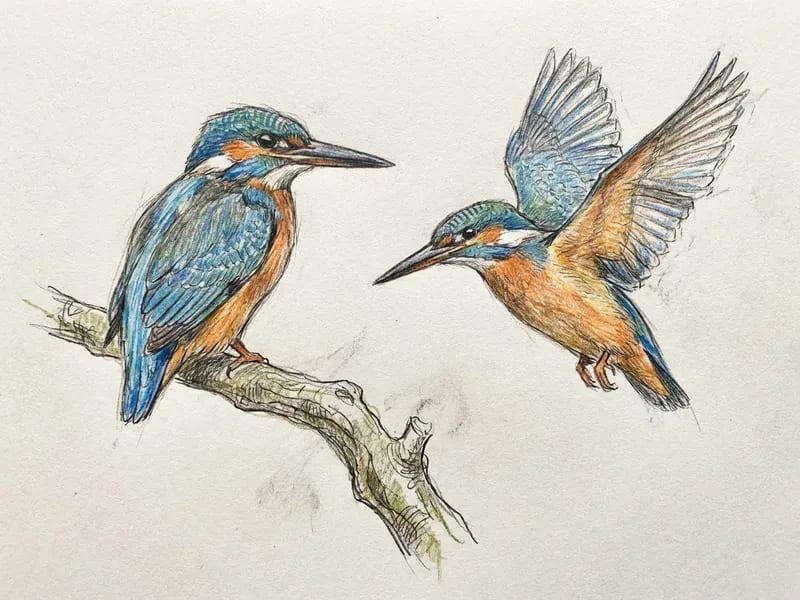
Kingfishers
Multiple species including Alcedo atthis, Pelargopsis capensis
- They dive for fish at speeds of up to 45 km/h.
- Their beak shape inspired the nose design of the Shinkansen Series 500 bullet train.
- The Stork-billed Kingfisher is frequently spotted near the resort.
🌿 Guidelines for Responsible Wildlife Watching
While observing:
- Watch from a safe distance — do not approach or touch.
- Never feed any wild animals.
- Photograph without flash — use high ISO or Night Mode instead.
- Keep noise to a minimum.
- Do not leave any litter behind.
If you encounter potentially dangerous wildlife:
- Venomous animals (snakes, scorpions, centipedes): back away slowly.
- Approaching monkeys: retreat calmly, avoid direct eye contact, do not bare your teeth.
- Injured animals: do not touch — notify resort staff immediately.
At SYLVAN Koh Chang, we believe the finest travel leaves no trace in nature — only lasting impressions in your heart. SYLVAN Koh Chang is a proud recipient of the Green Leaf Certificate from the Green Leaf Foundation, recognizing environmental management standards in the tourism industry. Every stay you enjoy is a part of preserving Koh Chang's rainforests for generations to come.
More Stories
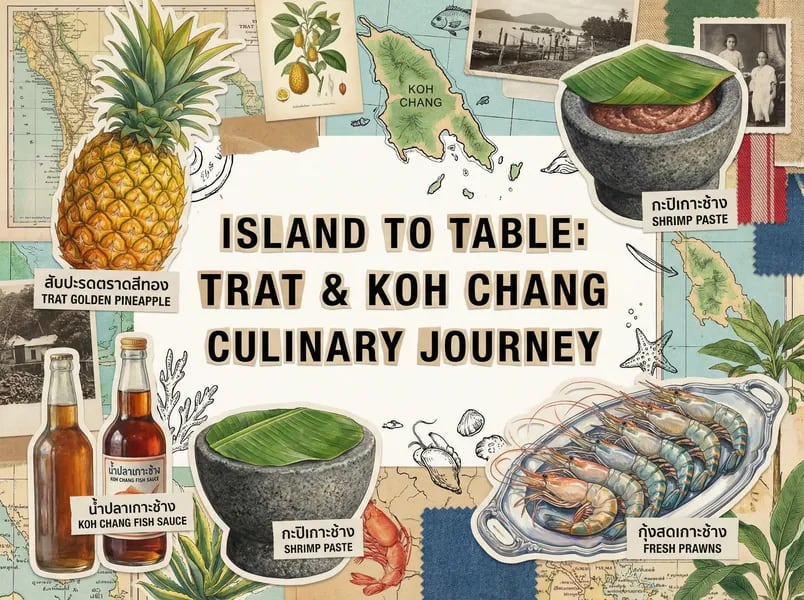
Island to Table: Where Koh Chang Comes Alive on Your Plate at Sylvie Cafe
At Sylvie Cafe, Koh Chang, we hold one simple belief — everything placed on your table should tell the story of this island. From the waves that lap the shore to the pineapple fields on the hillside, that is the essence of our "Island to Table" philosophy.

Khanom Krok: The World's #1 Thai Dessert, Made with Koh Chang Coconut at Sylvan Koh Chang
Khanom Krok — a beloved Thai classic that locals have grown up eating for as long as they can remember — has just been ranked by TasteAtlas as the #1 Thai Dessert in the World for 2025/26, placing 24th in the Top 100 Best Desserts in the World based on over 97,000 votes from users worldwide. But the Khanom Krok you'll find at The Clifftop, Sylvan Koh Chang is no ordinary coconut pancake.
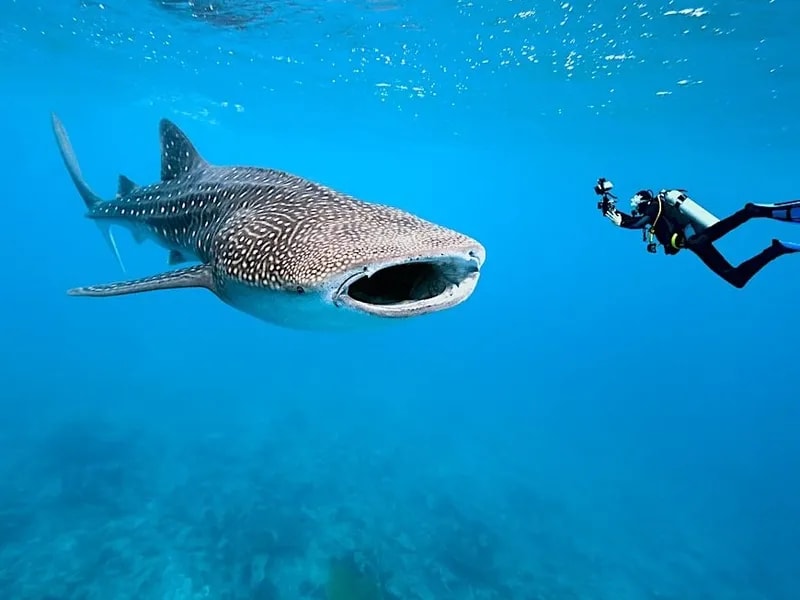
Beneath the Waters of Koh Chang — Marine Life You May Encounter
The seas around Koh Rang, the dive sites at Hin Raab, Hin Luk Bat, and the wreck of HTMS Chang represent one of the most diverse marine ecosystems in the Gulf of Thailand. Every species on this page has been documented in Koh Chang waters from diver and researcher reports — not merely "found somewhere in Thailand"